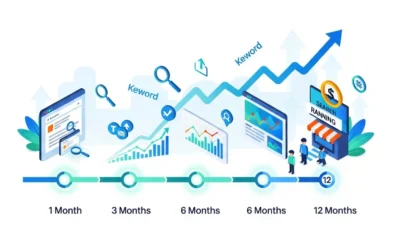
The best digital marketing strategy for a small business in Texas combines local SEO, Google Business Profile optimization, social media marketing, and targeted paid ads. Focus on your local Texas audience first, build online visibility, and track results monthly. Most Texas small businesses see meaningful growth within 90–180 days with the right strategy.
Why Texas Small Businesses Need Digital Marketing Now
Texas is one of the most competitive small business markets in the entire country. According to the U.S. Small Business Administration (SBA), Texas has over 3.1 million small businesses, making up 99.8% of all Texas businesses. These businesses employ more than 4.9 million Texans.
That number is growing every single year. Cities like Austin, Houston, Dallas, San Antonio, and Fort Worth are experiencing business booms. New competitors are opening every month. Consumers are searching online before they ever walk through a door.
Here is the reality:
97% of consumers search online to find a local business. If your business does not show up, your competitor will. Traditional marketing, flyers, newspaper ads, radio spots, no longer drive the same return. Texas consumers are on Google, Instagram, Facebook, and YouTube. They read reviews on Yelp and Google. They ask Siri and Alexa for recommendations.
Understanding Your Texas Customer
Before you spend a single dollar on marketing, you need to know who you are talking to. Texas is not one market. There are many.
Texas Consumer Demographics You Should Know
- Population: 30+ million people (2nd largest state in the U.S.)
- Hispanic/Latino population: Over 40%, the largest ethnic group in Texas
- Median household income: approximately $67,000 per year
- Urban vs. rural split: 85% urban, 15% rural
- Primary languages: English and Spanish
This diversity matters for your marketing. A restaurant in San Antonio is marketing to a very different audience than a B2B tech firm in Austin. A roofing company in the Houston suburbs speaks to homeowners differently than a boutique in Deep Ellum, Dallas.
Build Your Customer Persona
Ask yourself these questions:
- Who is my best customer? (Age, income, location, job)
- Where do they spend time online? (Google, Facebook, Instagram, TikTok)
- What problem are they trying to solve?
- What language do they search in? (English, Spanish, or both)
- How do they find businesses like mine? (Google search, referral, social media)
When you answer these questions honestly, your marketing becomes sharper, cheaper, and more effective.
Bilingual Marketing in Texas
This is a major opportunity most Texas small businesses overlook. Over 5 million Texans are Spanish-speaking. If your competitor is not marketing in Spanish and you start, you gain an immediate edge.
This does not mean translating your entire website overnight. Start with:
- A Spanish-language Google Business Profile description
- Spanish-language social media posts
- A bilingual “Contact Us” page
Small steps create big advantages.
Setting SMART Goals for Your Digital Marketing
Random marketing without goals wastes money. Use the SMART framework, Specific, Measurable, Achievable, Relevant, Time-bound.
Here are real examples built for Texas small businesses:
| Goal Type | Weak Goal | SMART Goal |
| SEO | “Get more website traffic” | “Increase organic traffic by 35% in 6 months using local keywords” |
| Leads | “Get more customers” | “Generate 40 new local leads per month by Q2 2026” |
| Reviews | “Get more reviews” | “Earn 20 new 5-star Google reviews in 90 days” |
| Social Media | “Grow followers” | “Grow Instagram from 500 to 1,500 followers in Dallas by March 2026” |
Set 2–3 goals maximum when you start. Focus beats volume every time.
10 Proven Digital Marketing Strategies for Texas Small Businesses
1. Local SEO – Be Found When Texans Search
Local SEO is the single most important strategy for a Texas small business. When someone types “HVAC repair near me in Houston” or “best taco shop in San Antonio”, local SEO determines who shows up.
What local SEO involves:
- Optimizing your Google Business Profile (more on this below)
- Using location-based keywords like:
- “plumber in Austin TX”
- “hair salon near Katy, Texas”
- “roofing company Dallas Fort Worth”
- Building consistent NAP, Name, Address, Phone Number, across all directories
- Getting listed on Texas-relevant directories:
- Texas Business Directory
- Austin Chamber of Commerce
- Houston Business Journal listings
- San Antonio Small Business Development Center
- Earning local backlinks from Texas news sites, blogs, and associations
- Adding local schema markup to your website so Google understands your location
Local SEO is not fast – but it is permanent.
An Austin-based landscaping company that ranks #1 for “lawn care Austin TX” gets free traffic every single day without paying for ads. That compounds over time.
2. Google Business Profile – Your #1 Free Marketing Tool
If you do nothing else on this list, do this. Google Business Profile (GBP) is what shows up in Google Maps and the “local pack”, the 3 businesses that appear at the top of local search results. Over 76% of local mobile searches result in a same-day store visit.
How to optimize your GBP for Texas:
- Add your complete business information (hours, address, phone, website)
- Choose the right primary and secondary categories
- Write a keyword-rich business description (include your city and service)
- Upload high-quality photos, interior, exterior, team, products
- Post weekly updates, offers, or events through Google Posts
- Enable messaging so customers can text you directly
- Respond to every single review, good and bad
- Add your service areas for Texas cities and zip codes you serve
Pro tip for Texas businesses: Add photos of recognizable Texas landmarks near your business location. It builds geographic relevance and authenticity.
3. Website Optimization – Your Digital Home Base
Your website is working 24/7, even when you are not. A poorly built website loses customers silently. You never know they visited and left.
In 2026, your Texas business website must have:
- Mobile-first design: Over 63% of Google searches happen on mobile
- Fast loading speed: pages should load in under 3 seconds
- Clear calls-to-action (CTAs) on every page: “Call Now,” “Get a Free Quote,” “Book Online”
- Location-specific landing pages: If you serve Houston, Dallas, and Austin, each city gets its own page
- SSL certificate (https://): for security and Google trust
- ADA compliance: accessible to users with disabilities (also a legal consideration in Texas)
Your homepage should answer three questions in 5 seconds:
- What do you do?
- Who do you serve? (Mention Texas or your city)
- How do I take the next step?
If a visitor has to search your site for answers, they leave.
4. Content Marketing – Build Trust, Drive Traffic
Content marketing builds authority and trust with both Google and your customers. For Texas small businesses, this means creating content your local audience actually searches for.
High-value content ideas by Texas business type:
| Business Type | Blog/Content Ideas |
| HVAC in Houston | “How to Prepare Your AC for a Houston Summer” |
| Real Estate in Austin | “First-Time Homebuyer Guide for Austin TX 2026” |
| Restaurant in San Antonio | “Best Family Restaurants Near the Riverwalk” |
| Roofing in Dallas | “Hail Damage Roof Inspection Checklist for DFW Homeowners” |
| Law Firm in Fort Worth | “What to Do After a Car Accident in Texas” |
Content marketing rules that work in 2026:
- Write for humans first, search engines second
- Aim for 1,000–2,500 words on pillar pages
- Include Texas-specific data and local references
- Update content every 6–12 months to stay fresh
- Use headers, bullet points, and short paragraphs, always
Google rewards content that demonstrates E-E-A-T, Experience, Expertise, Authoritativeness, and Trustworthiness. Real Texas data and local specifics strengthen all four signals.
5. Social Media Marketing – Meet Texans Where They Are
Texans are highly active on social media. But not every platform is right for every business. Stop spreading yourself thin. Pick 2–3 platforms where your customers actually spend time.
Platform Guide for Texas Small Businesses:
| Platform | Best For | Texas Usage |
| Local services, events, 35+ age group | 75%+ of Texas adults use Facebook | |
| Restaurants, beauty, retail, lifestyle | Strong in Austin, Houston, Dallas | |
| TikTok | Younger demographics, viral reach | Massive in Texas college towns |
| B2B, professional services, SaaS | Growing in Austin tech corridor | |
| Nextdoor | Hyper-local, neighborhood businesses | Extremely effective for home services |
| YouTube | Long-form education, how-to content | 2nd largest search engine |
Texas social media content that works:
- Behind-the-scenes videos of your Texas business
- Texas holiday and event content (State Fair, Houston Rodeo, SXSW, Fiesta)
- Customer spotlights and testimonials
- Local community involvement posts
- Texas pride content (culture, food, sports)
Posting consistency beats posting perfection. Three quality posts per week consistently outperform daily posts for one week then nothing for a month.
6. Pay-Per-Click Advertising (PPC) – Generate Leads Immediately
While SEO builds long-term traffic, PPC puts you at the top of Google today. For Texas small businesses with limited budgets, PPC requires smart targeting.
Google Ads strategy for Texas:
- Target specific Texas cities and zip codes, not the entire state
- Use long-tail keywords with lower competition:
- “emergency plumber northwest Houston”
- “affordable wedding photographer San Antonio TX”
- Set a daily budget cap to control spending ($15–$50/day is realistic for local campaigns)
- Write ad copy that mentions Texas, it increases click-through rates
- Send traffic to dedicated landing pages, not your homepage
Facebook and Instagram Ads for Texas:
- Target by city, zip code, age, income, and interests
- Use retargeting ads to reach people who already visited your website
- Run seasonal promotions around Texas events and weather patterns
- Start with $300–$500/month to test what works
Average PPC costs in Texas by industry (2026 estimates):
| Industry | Avg. Cost Per Click |
| Legal Services | $25 – $75 |
| Home Services (HVAC, Plumbing) | $8 – $25 |
| Healthcare | $6 – $20 |
| Restaurants | $1 – $4 |
| Real Estate | $5 – $15 |
Start small. Test. Scale what works.
7. Email Marketing – Your Most Profitable Channel
Email marketing delivers an average $36 return for every $1 spent, making it the highest ROI channel in digital marketing. For Texas small businesses, email keeps you in front of existing customers consistently.
How to build your email list in Texas:
- Offer a discount or freebie for signing up (“Get 15% off your first order”)
- Collect emails at local Texas events, trade shows, or markets
- Add a sign-up form on your website (homepage and blog)
- Use a QR code at your physical location
Email types that work:
- Welcome email: Immediately after someone signs up
- Promotional emails: Discounts, offers, seasonal deals
- Educational emails: Tips, guides, how-tos relevant to Texas customers
- Re-engagement emails: Win back inactive subscribers
Recommended tools:
- Mailchimp (free up to 500 contacts)
- Constant Contact (great for small businesses)
- ConvertKit (best for content-driven businesses)
Send 1–2 emails per week maximum. More than that increases unsubscribes.
8. Online Reputation Management – Texas Customers Trust Reviews
88% of consumers trust online reviews as much as personal recommendations. In Texas, where word of mouth is strong and community trust runs deep, your online reputation is your most valuable asset.
How to build a strong reputation:
- Ask every happy customer for a Google review, make it easy with a direct review link
- Respond to all reviews within 24–48 hours
- For negative reviews: acknowledge, apologize (if appropriate), and offer to resolve offline
- Monitor your brand with Google Alerts (free) or Brand24
- Stay active on Yelp, Facebook, BBB (Better Business Bureau), and Angi
Texas-specific tip: The Better Business Bureau of Central Texas and Greater Houston are highly trusted by local consumers. Getting accredited adds a credibility layer that competitors without it lack.
9. Video Marketing – The Fastest Growing Channel in 2026
Video is no longer optional. YouTube is the second-largest search engine in the world. And short-form video on Instagram Reels and TikTok drives more organic reach than any other content format in 2026.
Video ideas for Texas small businesses:
- “How-to” tutorials related to your service
- Customer testimonial videos filmed at your Texas location
- Before-and-after transformations (roofing, landscaping, interior design)
- Day-in-the-life videos showing your team and culture
- Live Q&A sessions on Facebook or Instagram
- Local event coverage (Texas rodeo, community events your business attends)
You do not need expensive equipment. A modern iPhone or Android phone shoots excellent video. Consistency matters more than production quality, especially when starting out.
10. Influencer and Partnership Marketing – Leverage Texas Community
Texas has a strong sense of community, especially in cities like Austin, San Antonio, and smaller towns. Micro-influencers (1,000–50,000 followers) in Texas often deliver better ROI than national celebrities because their audiences actually live and shop locally.
How to find Texas micro-influencers:
- Search Instagram hashtags like #AustinEats, #HoustonMoms, #DallasFoodie, #SATXLife
- Use platforms like AspireIQ or Influencer.co
- Look for influencers who regularly feature local Texas businesses
Partnership marketing ideas:
- Cross-promotions with complementary local businesses
- Example: A Houston wedding photographer partners with a local floral shop
- Sponsor local Texas events, community festivals, charity runs, school events
- Joint giveaways on social media with another Texas business
- Referral programs, reward customers who send new customers your way
This type of marketing builds deep community roots, something algorithms cannot replicate.
Digital Marketing Budget Guide for Texas Small Businesses
The #1 question small business owners ask: “How much should I spend on marketing?” General guideline: Allocate 7–12% of your gross revenue to marketing.
Monthly Budget Breakdown by Business Stage
| Business Stage | Monthly Budget | Priority Focus |
| Startup (0–1 year) | $500 – $1,500 | GBP, Website, Local SEO |
| Growth (1–3 years) | $1,500 – $4,000 | SEO, Social Ads, Email |
| Established (3+ years) | $4,000 – $10,000+ | Full multi-channel strategy |
Where to Allocate Your Budget (Example: $2,000/month)
| Channel | Budget | Percentage |
| Local SEO & Content | $600 | 30% |
| Google Ads (PPC) | $500 | 25% |
| Social Media Ads | $400 | 20% |
| Email Marketing | $150 | 7.5% |
| Design & Creative | $200 | 10% |
| Tools & Software | $150 | 7.5% |
Free tools that reduce your budget needs:
- Google Business Profile: Free
- Google Analytics 4: Free
- Google Search Console: Free
- Canva (free tier): Design
- Mailchimp (free up to 500 contacts): Email
- Buffer (free tier): Social scheduling
- Ubersuggest: Basic keyword research
Common Digital Marketing Mistakes Texas Small Businesses Make
Avoid these, they cost money and time.
- Ignoring Google Business Profile, The single biggest missed opportunity
- Not having a mobile-friendly website, 63%+ of searches are on mobile
- Targeting the entire state instead of your local area, Be specific
- Skipping bilingual marketing, You are missing 40%+ of the Texas market
- No tracking or analytics, You cannot improve what you do not measure
- Inconsistent social posting, Disappearing kills reach and trust
- Copying competitors exactly, Differentiate with your unique Texas story
- Giving up too early, SEO takes 3–6 months. PPC needs 60–90 days to optimize
How to Measure Your Digital Marketing Success
What gets measured gets improved.
Key Performance Indicators (KPIs) to Track Monthly
| KPI | What It Tells You | Tool |
| Organic traffic | How many visits from Google | Google Analytics 4 |
| Local ranking position | Where you rank in Texas searches | Google Search Console |
| GBP views & calls | Visibility on Google Maps | Google Business Profile Insights |
| Conversion rate | % of visitors who take action | Google Analytics 4 |
| Cost per lead | How much each lead costs | Google Ads Dashboard |
| Review rating & count | Reputation health | Google, Yelp |
| Email open rate | Email engagement | Mailchimp / Constant Contact |
| Social reach & engagement | Content performance | Native platform analytics |
Review your KPIs every 30 days. Make small adjustments. Over time, these small improvements create significant growth.
Texas-Specific Digital Marketing Opportunities
These are advantages unique to your Texas market.
Leverage Texas Culture in Your Brand
Texas consumers have strong state pride. Brands that authentically connect to Texas culture, food, sports, heritage, community, build deeper loyalty.
- Reference your city or region in your branding
- Use Texas-themed visuals when appropriate (not forced)
- Support and mention local Texas causes and charities
- Celebrate Texas landmarks and events in your content
Market Around Texas Events and Seasons
| Event / Season | Marketing Opportunity |
| Houston Livestock Show and Rodeo (Feb–Mar) | Family, entertainment, food businesses |
| SXSW in Austin (March) | Tech, hospitality, retail, restaurants |
| Fiesta San Antonio (April) | Local service businesses, food, retail |
| Texas State Fair, Dallas (Sep–Oct) | Consumer brands, restaurants, entertainment |
| Hurricane Season (June–Nov) | Roofing, HVAC, insurance, home services |
| Texas Summer Heat (June–Sep) | HVAC, pool services, cold beverage brands |
| Football Season (Sep–Jan) | Restaurants, apparel, sports-related businesses |
Plan your content calendar and promotions around these Texas moments. Timely, relevant content always outperforms generic content.
Texas Small Business Resources (Use These)
- Texas Small Business Development Centers (SBDC), Free business consulting
- SCORE Texas chapters, Free mentoring from experienced business owners
- Texas Economic Development Corporation, Funding opportunities
- U.S. SBA Texas District Office, Loans, grants, and resources
- Texas Workforce Commission, Hiring support and training resources
These organizations also provide local backlink opportunities when they list your business, which helps your local SEO.
Industry-Specific Opportunities in Texas
Home Services (HVAC, Plumbing, Roofing):
Texas weather creates year-round demand. Focus on emergency keywords and Google Local Services Ads, which appear above regular Google Ads.
Restaurants and Food Trucks:
Texas has a massive food culture. Prioritize Google Maps, Yelp, and Instagram. Geo-targeted Facebook Ads within 5–10 miles of your location drive strong foot traffic.
Real Estate:
Austin, Houston, and DFW remain among the hottest real estate markets in the U.S. Long-form neighborhood guides, YouTube tours, and Google Ads dominate this space.
Healthcare and Wellness:
Texans search for local providers heavily. HIPAA-compliant email marketing, local SEO, and reputation management are the key channels.
Legal Services:
Highly competitive but high-value. Google Ads with zip-code targeting, local SEO, and strong reviews on Google and Avvo drive client acquisition.
Future Digital Marketing Trends for Texas Small Businesses (2026)
Stay ahead of these shifts.
AI-Powered Marketing Tools
Artificial intelligence is changing marketing at every level. In 2026, Texas small businesses use AI to:
- Write first drafts of blog posts and social captions
- Generate ad copy variations for testing
- Analyze customer data and predict buying behavior
- Automate email personalization
- Create chatbots for website customer service
Recommended AI tools: ChatGPT, Jasper, Surfer SEO, AdCreative.ai
Voice Search Optimization
27% of the global online population uses voice search on mobile. Texas consumers ask:
- “Hey Google, find a plumber near me in Austin”
- “Alexa, what’s the best BBQ in Fort Worth?”
To optimize for voice search:
- Use conversational, question-based keywords
- Add a FAQ section to key pages (like this one)
- Ensure your GBP is fully optimized with accurate address and hours
GEO-Targeted Marketing and Geofencing
Geofencing lets you target customers within a specific geographic radius, like a 2-mile area around your San Antonio restaurant or a competitor’s location in Dallas.
Ads appear on mobile phones when someone enters your defined zone. This is especially powerful for:
- Retail stores
- Restaurants
- Event-based businesses
- Healthcare clinics
Zero-Click Searches and Featured Snippets
More Google searches end without a click, because Google answers the question directly at the top of the page.
To capture this visibility:
- Answer questions clearly and concisely in your content
- Use structured data (schema markup)
- Format content with bullet points and numbered lists
Privacy-First Marketing
With cookie tracking declining, Texas small businesses must build first-party data, meaning email lists, SMS subscribers, and loyalty programs. Your email list is your most protected marketing asset. No algorithm can take it away.
Final Thoughts
Running a small business in Texas is hard work. You already know that. Digital marketing does not have to be overwhelming. Start with one strategy done well, and build from there.
If you only do three things this week:
- Claim and fully optimize your Google Business Profile
- Set up Google Analytics on your website
- Ask your last 10 customers to leave a Google review
Those three actions alone will put you ahead of most Texas small businesses. Texas rewards businesses that show up, both in the community and online. Build your digital presence with consistency, authenticity, and a clear focus on your local audience. The opportunity in Texas is enormous. Your customers are searching for you right now.
Frequently Asked Questions
How much does digital marketing cost for a small business in Texas?
Most Texas small businesses spend between $500 and $5,000 per month depending on goals and industry. Startups can begin with $500–$1,500 focusing on local SEO and GBP. Established businesses invest more across multiple channels for faster growth.
What is the most effective digital marketing strategy for a small business?
For most Texas small businesses, the highest-impact combination is: optimized Google Business Profile + local SEO + consistent social media + email marketing. Add paid ads once you have a converting website.
How long does it take to see results from digital marketing?
- Google Business Profile: 2–4 weeks
- PPC Advertising: Immediate, but optimizes in 60–90 days
- Local SEO: 3–6 months for meaningful rankings
- Social Media: 3–6 months for organic growth
- Email Marketing: Results from the first send
Do I need a website if I have a Facebook Page?
Yes. A Facebook page is not a substitute for a website. You do not own your Facebook page, Facebook does. Your website is your owned digital property. It also helps you rank on Google in ways a social profile cannot.
Should I hire a digital marketing agency or do it myself?
If you have time, start by doing it yourself using this guide. As your business grows, hire a Texas-based digital marketing agency that understands local markets. Look for agencies with verifiable local SEO results and Google Partner certification.
Is bilingual marketing worth it for my Texas business?
Absolutely, especially in cities like San Antonio, El Paso, Houston, and the Rio Grande Valley. Spanish-language marketing opens access to millions of potential customers that English-only competitors are missing.